Welds That Hold Under Firing Stress
Custom TIG Welding based in Bismarck serving customers nationwide for firearm repairs, modifications, and structural enhancements
Firearm components experience pressures and vibrations that expose weak welds quickly during use. Straight Shot Gunsmithing performs precision TIG welding for firearm-specific metals and tolerances based in Bismarck, where clean, controlled welds matter for both strength and function. The process addresses repairs to damaged components, custom modifications, and structural enhancements that must maintain dimensional accuracy after heat input.
TIG welding provides the fine heat control necessary when working near critical dimensions or heat-sensitive areas on firearms. The process produces welds with minimal distortion and clean finishes that integrate with existing surfaces, whether you need a broken part restored or a custom feature added. Experience with firearm-specific applications means understanding which metals require preheat, what filler materials maintain strength properties, and how to sequence welds to control warpage.
Submit project specifications for a detailed quote based on your welding requirements.
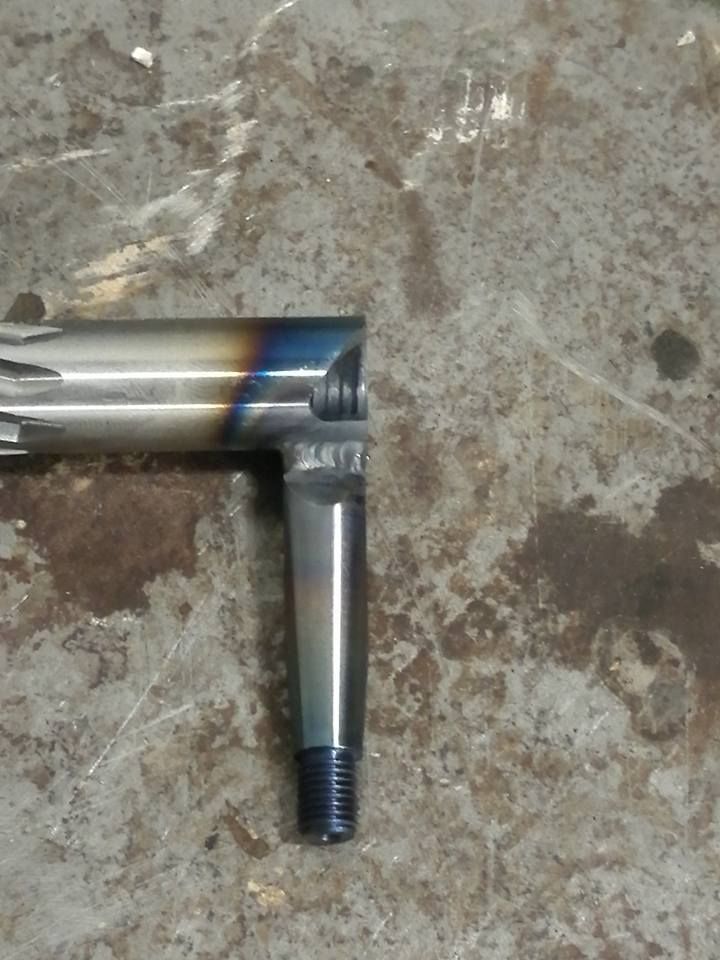
How Precision Welding Addresses Firearm Modifications
The welding process begins with evaluating the base metal, existing stress points, and how heat will affect surrounding areas. Proper fixturing holds components in correct alignment while allowing for thermal expansion, and controlled amperage keeps the heat-affected zone small to prevent changes in hardness or dimension. Filler selection matches the base metal properties to maintain strength where the weld integrates with the original material.
After welding completes, you see joints with full penetration and smooth tie-ins that require minimal finishing. The welds hold under firing stress without cracking at the fusion line, and critical dimensions remain within specification because distortion was controlled during the process. Components function as intended without the failures common to welds performed without understanding firearm-specific requirements.
The service handles both one-off custom jobs and repeat production work, supporting builders who need consistent quality across multiple units. Some projects require post-weld machining or heat treatment to restore specific properties, while others need only finish work to blend the repair with surrounding surfaces.
Answers to Frequent Service Questions
Clients working on firearm projects in Bismarck and nationwide typically want to know what the welding process involves and what results to expect.
What metals can be TIG welded for firearm applications?
The process works with common firearm metals including steel alloys, stainless varieties, and some aluminum components, though each material requires specific filler selection and heat management to maintain properties.
How does welding affect the dimensions of precision components?
Controlled heat input and proper fixturing minimize distortion, but some post-weld machining may be necessary on components with tight tolerances to bring dimensions back to specification after thermal cycling.
What types of repairs are suitable for TIG welding?
Cracked receivers, broken extractors, damaged sight bases, and similar structural issues can be repaired when sufficient base material remains and the repair location allows access for proper weld preparation and execution.
Why does filler material selection matter?
Different fillers provide varying strength, ductility, and corrosion resistance properties, and mismatched fillers can create welds that crack under stress or corrode at the fusion line even when the weld appears sound.
What project details are needed for an accurate quote?
Information about the base metal type, component dimensions, accessibility of the weld location, and whether any post-weld machining or finishing is required helps determine the scope and pricing for your specific modification or repair.
Straight Shot Gunsmithing evaluates each welding project individually to determine feasibility and the best approach for your application. Call (701) 880-3276 to discuss your modification or repair needs and receive project-specific guidance.